
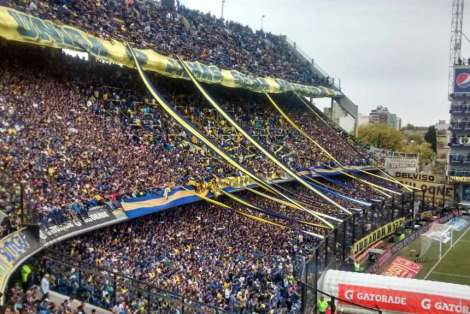
Mention Argentine football to any casual football fan around the world and images of the superclásico spring to mind. The famous players that have worn the distinctive club colours, the legendary stadia packed to the rafters with passionate supporters creating an atmosphere rarely seen in a football stadium and fiercely contested matches between the best clubs in South America. This is certainly the packaging of the event, the glossy magazine cover, the oh-so inticing commercial that draws you in.
With this in mind and the financial rewards that the clubs gain from the fixture, the AFA and the clubs cram as many into the calendar year as possible. The money-spinning friendlies aside, the competitive league matches should be among the best matches Argentine football has to offer but time and time again the superclásico leaves the dispondent viewer wishing they could have that 90 minutes of their life back to do something more enjoyable like complete their tax return.
Boca Juniors and River Plate are not alone. The same can be said of almost all the clásicos across the country. And while one every weekend is palatable, heck even enjoyable, just to marvel in the passion and colour that only a derby creates, the AFA in their all-encompassing wisdom decided in addition to their utterly ludicrous 30-team Primera to make a big, sparkly round of clásicos. Fifteen (ok there isn’t 15 because the AFA just needed to make some up) high-octane, electrifying matches of football across one weekend.

Or at least that is the theory and certainly the clásicos, and in particular the superclásico between Boca and River, is the event in the Argentine football calendar that the rest of the world takes notice of. This is the one match that many football fans from other parts of the world choose to tune in for. Unfortunately if any newcomers to the Argentine Primera opted to sit down for Sunday’s marathon, they will most likely not be coming back.
Three of the nation’s biggest matches: the Clásico Rosarino (Newell’s Old Boys v Rosario Central), the Superclásico and the Clásico de Avellaneda (Racing v Independiente) took place one after the other. The truth in all three cases is you could have simply watched the coverage of the players emerging from the tunnels to enjoy the occasion and the atmosphere and then switched off.
Three goalless draws and three matches so devoid of any quality that even those in the stadium would have welcomed the final whistle.
And this only tells part of the story of the clásico weekend, as the clásico Platense (Gimnasia v Estudiantes) on Saturday evening also ended goalless and Sunday’s late kickoff between Belgrano and Atlético Tucumán followed suit.
The ten matches played over Saturday and Sunday produced a total of five goals, a figure made to look even less impressive, in light of being dwarfed by the number of red cards – seven.
As you can see, prior to the clásico round, the Primera was averaging a healthy 2.85 goals per game and some regular watchers were commenting on the fact that a new breed of younger managers had brought a better, more progressive style of football to Argentina’s top flight. Whether this is true or not, the goals were flowing and it made for an enjoyable season.
Goals per game per round so far:
1: 2.33
2: 3.33
3: 2.47
4: 2.67
5: 3
6: 3.2
7: 2.2
8: 3.47
9: 2.87
10: 3.07
11: 2.73And…
12: 1.18
— Sam Kelly (@HEGS_com) April 24, 2016
 golazo argentino
Pingback: Five talking points from Round twelve of the Primera – plus ALL the goals | golazo argentino·