
Post contributed by Matt Brown
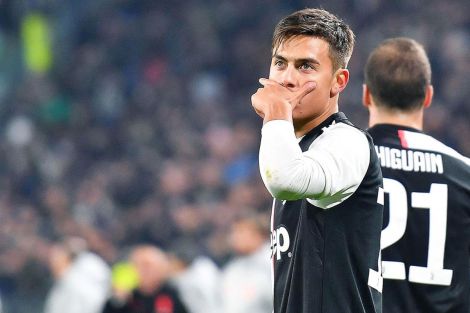
After reportedly almost being sold by Juventus to Manchester United in the summer, it seemed like anyone’s guess as to what the future held for Paulo Dybala.
At the time, his form was pretty average. He managed five goals and two assists in 30 Serie A games in 2018/19.
Evidently, Juventus thought long and hard about the transfer, reportedly as a part of a swap deal for Romelu Lukaku.
However, after refusing the transfer, Dybala has fought back, and now plays a key role in the first team. He has nearly matched last season’s goal tally in 18 fewer games.
After his winning free-kick against Atlético Madrid a week or so ago, Juventus manager Maurizio Sarri described the Argentine as “a different class”.
Dybala has been able to put in a big contribution with Ronaldo out of action.
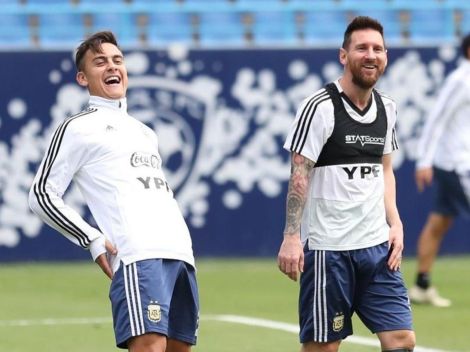
This raises an interesting question. Why hasn’t the same happened with the national team and Messi?
After the 2018 World Cup and Messi stepping away, it seemed like the perfect chance for Dybala to shine. However, he hasn’t really been able to find his feet – no matter whether Messi is in the side or not.
What’s holding Dybala back?
From watching him play for his country of birth, it’s clear that Dybala often struggles to make his mark on the game.
It’s not that he’s not clinical enough, or is poor in possession. It’s just that he goes almost invisible – you can sometimes forget he’s on the pitch. He struggles to be involved, for whatever reason.
Some players just don’t live up to their potential when playing for their national team. It could be argued that Messi hasn’t lived up to expectations for Argentina – but it’s not his fault he was compared to Maradona from day one.
 golazo argentino