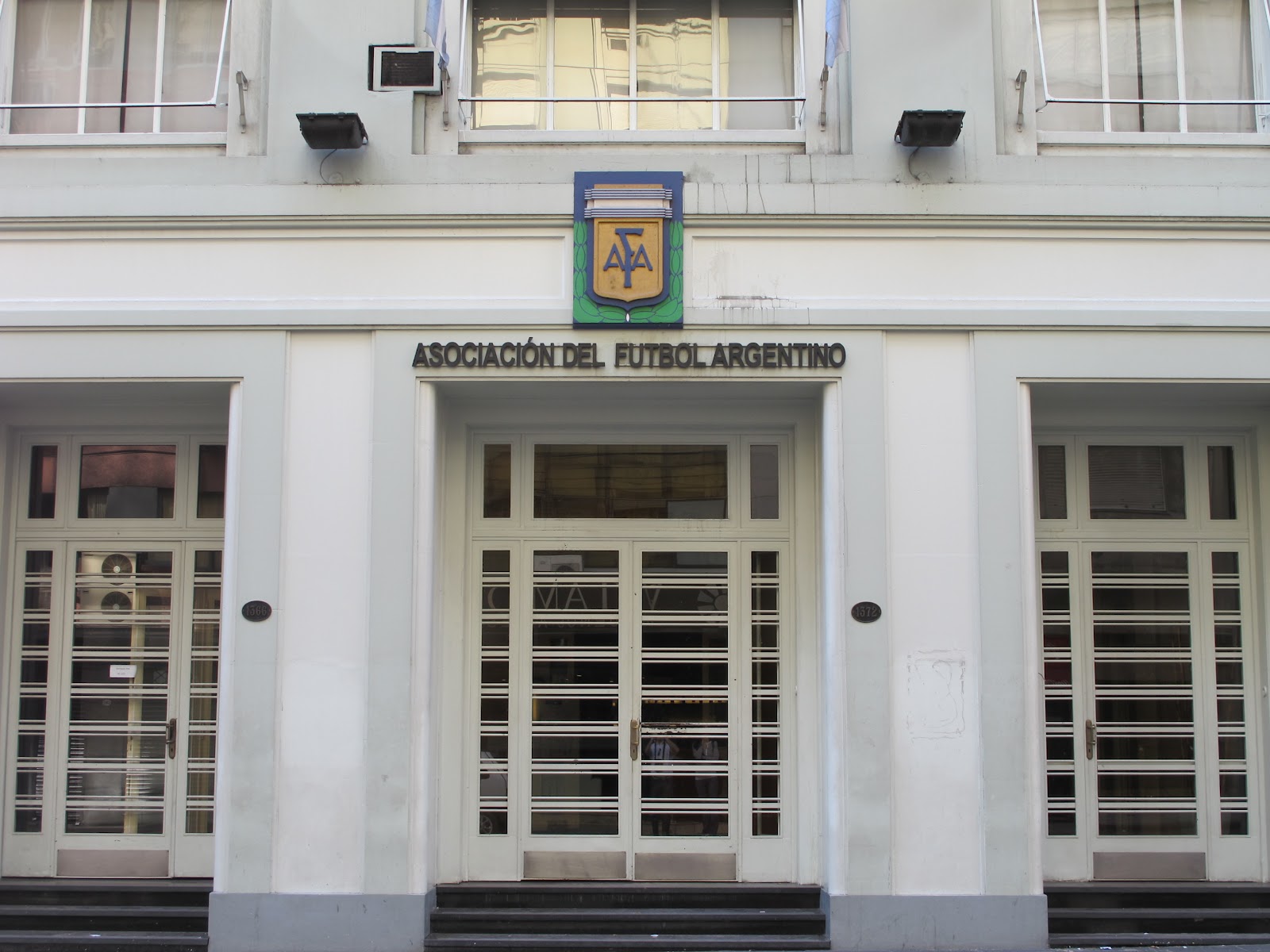
In spite of the concerns of several of the ‘big’ clubs in Argentine football, Luís Segura has confirmed that Julio Grondona’s 30-team Primera will still go ahead in 2015 although question marks remain over quite how this will be run. San Lorenzo President, Matías Lammens and his Boca Juniors counterpart, Daniel Angelici both made public their fears on Monday amid deep discussions with Luís Segura but on Tuesday afternoon it was confirmed that there will be no change to Don Julio’s final wish.
The AFA Executive Committee will meet again next Tuesday to decide upon the format of the new tournament but what we know for sure (as certain as things can be with the AFA’s decisions) is that in 2015 the Primera División will be 30 teams.
There are still a great number of uncertainties. Will it be split into two groups of fifteen? Or one long season playing each team once except for clásicos which will be played home and away? Likewise, yet to be confirmed, is when this championship will begin. It it starts in February or in August to mirror the European season and therefore limit the amount of players who may make the move midway through the season.
Whichever way is decided it sounds horrendous.
Earlier in the week, several clubs voiced their opposition to the scheme and the hope was that the weight of having San Lorenzo, Boca Juniors, River Plate and Independiente against it would lead to a reconsideration. However, it was too late. The power wielded by Julio Grondona was obviously too much at the time of its initial vote to go against, but frankly these arguments against the changes needed to be made several months ago.
There are two other key factors why these clubs and others are so against the proposal and they are financial and political.
Grondona had promised that there would be more money available to the sides in a 30-team league via a online betting scheme but that has since been rejected and so instead the similar amount of money from Fútbol para Todos will now have to be divided between ten extra clubs.
The new deal with the government for Fútbol para Todos will be renegotiated but as Boca President, Daniel Angelici voiced this will not be good for the current established Primera sides.
Additionally, the increase in teams will give more clubs voting power when AFA is looking for a new President in October 2015. Since the death of Julio Grondona the AFA has been left with a slight power vacuum and until a new President is elected it will remain so. The election will be an important moment in Argentine football and the likes of River and Boca would like to have as much say as possible over who might take the reigns.
For now, all we have is confirmation. In one week we should have answers to several of the questions that remain.